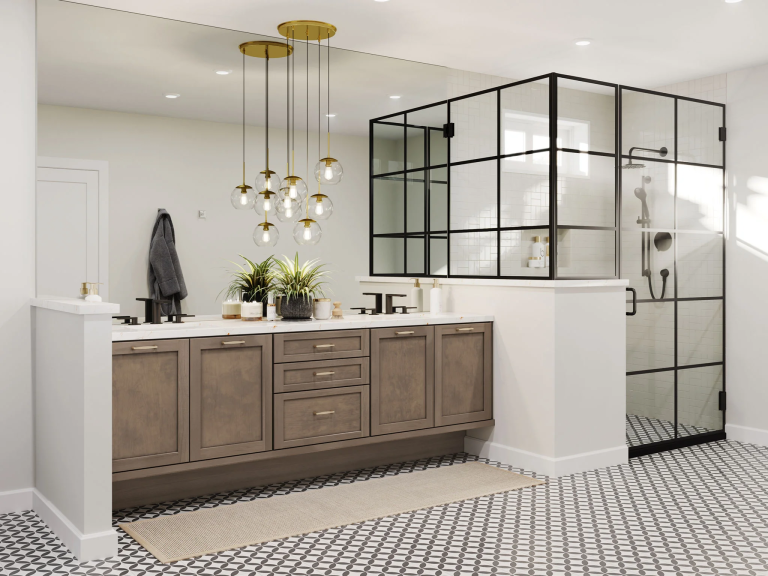
Which Cabinet Line Is Best for You?

Shopping for new cabinets for your home can be overwhelming. When thinking through your desired look, materials, and function, adding on the choice of cabinet manufacturer can seem like another great hurdle. At Heartland Home Cabinetry, we are here to help find the perfect product for you to make your home design experience seamless.

The following guide walks you through our different cabinet manufacturers that we offer. This can help offer you a preliminary idea of which line may be best for you before meeting with one of our design specialists.

Waypoint

The Waypoint line is built for customers who value quality materials and proven styles without the need for extensive, time-consuming customizations. By focusing on essential options like classic maple, cherry, or painted finishes and 12 popular door styles, this line is our most budget-friendly, making it the perfect solution for spaces where core functionality and a clean, durable look are paramount. It is an especially popular choice for customers who want a quality cabinet at a price point that keeps the entire project affordable.

Waypoint offers a great website for visualizing their cabinets and finding the right style for you. Check it out here!

Shiloh

Shiloh is one of our more customizable cabinet lines. With 9 wood species, over 40 door styles, and many finish options, you are sure to find something you love. And if not, you can have your Shiloh cabinets painted any Sherwin Williams color for truly personalized results. Beyond finishes, design flexibility is guaranteed with overlay and modification options. While offering the traditional standard and full overlay options, they also offer inset and 3/8 overlay as well, ensuring you have the cabinets of your dreams. Furthermore, Shiloh excels with cabinet modifications, which makes them an ideal line for challenging spaces that require specific cabinet dimensions. Although more options and modifications come with a higher price tag, this line is perfect if you are willing to invest more to achieve your desired vision.

See all of Shiloh’s available woods, door styles, and finishes on their website.

Eclipse

Similar to Shiloh, Eclipse is a more customizable line, with all of the same woods and door styles as Shiloh. The main attraction of Eclipse cabinets is their frameless style. This gives the cabinets a European, contemporary appearance sure to bring any space a clean, sleek look. Since these cabinets do not have a face frame, they also allow for increased and easier access to the cabinetry, which is helpful for smaller kitchens or spaces where every square inch of storage matters. To cater to a modern style, Eclipse offers unique material in finish options, such as High Pressure Laminate (HPL) and Thermally Fused Laminate (TFL), as well as some reconstituted wood veneers. These materials provide a wow factor and keep your home stylish and chic.

Gather inspiration for your next project at Eclipse’s website.

Aspect

Aspect is the perfect bridge for customers seeking the trusted quality construction of Shiloh at a more accessible price point. They offer a curated selection of 3 wood species – red oak, maple, and poplar – and around 16 door styles. Customers can choose from full or standard overlay as well as a variety of painted finishes. With a wide catalog of cabinet options, Aspect is sure to accommodate your functionality and space needs. By focusing on the most sought-after styles and core functionality, Aspect proves you don't have to compromise on quality to stay within budget.

View everything Aspect has to offer here.

All of our available cabinet lines are on display at our showroom. Stop in or schedule an appointment at Heartland Home Cabinetry today to see for yourself!

What to Think About Before Your Home Remodel

Preparing for a remodel in your home does not need to be an overwhelming task. But before you even pick up the phone to schedule that first meeting with a remodeler, taking some time for self-reflection can make the entire process smoother, more efficient, and ultimately lead to a result you’ll absolutely love.

The more clearly you can articulate your desires, limitations, and preferences, the better your remodeler can understand your vision and provide an accurate proposal. Follow through our guide to help walk you through some typical areas involved in a remodel to turn your project from daunting to exciting!

Style of the Space

The most exciting step of your remodel project starts with discovering your home style. Do you prefer neutral or bold colors? Clean lines or intricate details? Finding your ideal aesthetic can help guide your remodeling process to ensure the finished product fits your vision.

Check out our blog article on finding your home aesthetic

To find your home aesthetic, you can draw inspiration from platforms like Pinterest or Houzz to see what spaces other people have created. You can also search through magazines, or look online at galleries (even ours, check out our portfolio here!). It may be helpful to create a mood board or collage of your favorite ideas and images to pull your vision together.

Questions to consider: What color palette are you looking for? Do you want the space to look more modern or traditional? Will you be getting new furniture to match the room, or use existing furniture?

Functionality

Another important factor to consider when redoing your space is the functionality you desire. The best way to do this is take a step back and think about how you use the space. If you are redoing your kitchen, do you cook often? How many people tend to be in the kitchen at once? Do you use a lot of kitchen gadgets that will need storage? For your bathroom, is this the most used bathroom space, or just a guest bath revamp? Do you tend to get ready in this space? These types of questions can start to get you thinking about how the space can best be designed to suit your needs and desires.

A great exercise is to assess the challenges of your current layout. Take a look at your current space and see what parts you would most like to improve upon and what areas cause the most friction in your daily routine. This can help you visualize what you would like to upgrade and be great starting points to present to your remodeler.

Questions to consider: Do you have certain items you would like specific storage solutions for? Is your goal of the remodel more for looks or function? Do you want a pantry close to a certain area of your kitchen? Do people tend to walk through certain areas of the space?

Budget

Probably the first question that comes to mind with a home remodel is the budget. Before requesting any quotes for the project, it is crucial to understand what you are comfortable investing. Different aspects of the remodel may help naturally influence the budget. First, it is important to determine how the remodel will be paid for; will it be paid in cash or financed? There are a handful of financing options available for remodeling projects, but it is necessary to check first to see what you qualify for.

Once the budget range is set, it is recommended that 10-20% of the budget be set aside for unexpected costs. This could consist of plumbing problems, electrical fixes, upgrades to meet code requirements, or even a cushion in case you fall in love with a higher end countertop. While these are not always anticipated, having the money set aside helps avoid unwelcome surprises down the road. To also help stay on budget, consider making a list of must haves vs nice to haves. This can help prioritize what you wish for most in your space in the event you need to make some adjustments.

While the planning of the budget can seem daunting, it is important to consider the value vs cost of the project. The initial outlay might seem significant, but the increased home value and resale appeal can outweigh the upfront expense greatly. 

Questions to consider: How do you plan on paying for the project? What is the most important thing you hope to see from your remodel? Are you ok going over budget if you find something you really love?

Timeline

Remodeling is not an overnight process, so it is important to get ahead of the curve and think about a realistic timeline. Consider when you hope to have the project started and completed. Are these dates flexible? Custom work can take time, so it is necessary to factor in those lead times when planning.

While the renovation is occurring, make sure to come up with a plan for temporary living arrangements. Even if only one room is being worked on, consider how it will disrupt your daily routine and create a solution for how you will work around that.

Questions to consider: Are there any hard dates that your remodel needs to work around? Are your dates flexible? Are you willing to extend your timeline to account for all custom aspects you desire? Do you have a plan for living arrangements while the remodel is being completed?

Depth of project

While your remodeler will provide expert advice, it helps to have some preliminary thoughts about your home’s existing structure. First, think about the depth of the project. Are you just looking for new cabinets, or are you willing to knock down some walls? Do you want to change the plumbing set up? All of these answers will have effects on the cost and timeline. It may be beneficial to think of any conditions that may need to be addressed. See if your home has any current issues, like old wiring, lead paint, or load bearing walls that will need to be factored in. Bringing these potential concerns to your remodeler early on can save time and prevent surprises.

Questions to consider: Are you looking for some minor changes or a whole space revamp? Do you live in an older house that may have hidden complexities? Are there any pre-existing conditions that could affect the project cost or timeline?


By taking the time to think through these points before your first remodel consultation, you’ll be well-equipped to articulate your desires, discuss realistic expectations, and ultimately embark on a more successful and less stressful journey to your dream space.

Feeling more prepared for your remodel? When you’re ready to explore how custom cabinetry can elevate your project, reach out to our design team. We’ll help you navigate the possibilities and create beautiful, functional solutions just for you.

Which Home Space Is Your Ideal Aesthetic?

The power of a well-defined home aesthetic is more than just décor; it’s about creating a space that truly reflects who you are and how you live. But with so many styles out there, how do you pinpoint your ideal aesthetic? Explore some common options below!

How to find your home aesthetic

To begin your aesthetic discovery, start by looking around your space. Notice what you most like and dislike. Pay close attention to colors, textures, and furniture that catch your eye. Do you gravitate towards warm, earthy tones or crisp, cool shades? Are you drawn to soft, plush fabrics or sleek, smooth surfaces? Your existing preferences are valuable clues!

Once you’ve observed your immediate surroundings, you can venture out. Online resources like Pinterest and Houzz are great platforms for perusing design trends and ideas. Save designs that resonate with you. Other sources like design magazines or online galleries can also spark your interest (such as ours, take a look at our portfolio). The more you explore, the clearer your vision can become.

Your ideal aesthetic is not just about how your home looks; it’s also about how it feels and functions. Do you want the room to feel relaxed, inviting, or sophisticated? Consider your lifestyle. Do you tend to be neat in tidy, or prefer a more lived in feel? Do you entertain often, requiring adaptable and welcoming areas? These questions can guide you to a style that works for you.

Popular Home Aesthetics to Inspire You

Modern and minimalist

modern home aesthetic kitchen
Source: Eclipse Cabinetry

A modern, minimalist aesthetic is all about clean, sharp lines, uncluttered spaces, and a profound sense of simplicity. They tend to have neutral color palettes, open layouts with geometric forms, and smooth surfaces.

When it comes to cabinetry, you’ll typically find slab door styles, often foregoing pulls and knobs for a seamless, handless design. Common finishes include natural wood veneers or high gloss materials to reflect the clean, simple design of the room.

Visit our showroom to view the Eclipse frameless cabinet line, which offers a wide array of modern finishes, like high pressure laminate gloss, acrylic, stainless steel, and reconstituted woods.

Rustic/farmhouse

rustic home aesthetic kitchen
Source: Shiloh Cabinetry

The farmhouse aesthetic exudes a cozy, inviting, and natural charm. Typical elements involve distressed wood, exposed wooden beams, natural stone, and comfortable, often oversized, furniture. Designs tend to incorporate details like barn doors to add rustic appeal. Cabinets in these spaces often feature shaker style doors, with wood finishes or popular painted finishes in whites, creams, and greens. (Can’t decide between painted or stained? This article can help!)

The farmhouse and modern aesthetic can be mixed to make the trendy “Modern Farmhouse” style. This look incorporates warm wood tones and neutral colors (usually white and black), with elements like barn door styles and open layouts, to upgrade to a modern look with rural charm.

Traditional and classic

traditional home aesthetic kitchen
Source: Shiloh Cabinetry

Traditional styles epitomize elegance, boasting refined and formal designs inspired by historical European and American trends. They usually showcase rich wood tones like cherry and mahogany, ornate mouldings, intricate carvings, and luxurious fabrics. Cabinets often feature raised panel doors with deep, stained wood finishes. Decorative corbels, fluting, and crown moulding enhance simpler designs, adding a touch of timeless grandeur.

Transitional

transitional home aesthetic kitchen
Source: Waypoint Living Spaces

Transitional designs offer the best of both worlds, acting as a blend of traditional warmth and modern crispness. They typically feature clean lines, but with softened edges and neutral color palettes incorporating pops of color and texture. There can be a mix of both classic and contemporary furniture within these spaces. Shaker cabinets are particularly popular in transitional designs, both painted and stained, due to their versatility.

Contemporary

contemporary home aesthetic bathroom
Source: Waypoint Living Spaces

Contemporary designs are bold and artistic, often reflecting current design trends and pushing boundaries. They use strong lines and unique materials to create visually appealing spaces that incorporate new technologies, sustainable materials, and sculptural forms. Cabinets tend to have materials like glass, metal, and laminate, and their designs can be asymmetrical combining both open and closed storage for dynamic looks.


Translate your aesthetic to the perfect custom cabinetry for your home. Contact us today for a personalized consultation!

Painted vs Stained Cabinets: How to Choose?

When embarking on a kitchen or bathroom remodel, one of the most significant decisions you’ll face is the finish of your cabinets: to paint or to stain? This choice sets the tone for your entire space, influencing its aesthetic, durability, and even your budget. While both options offer distinct advantages, understanding their characteristics can help you make an informed decision that you’ll love for years to come. Follow our guide where we break down the pros and cons of each finish and discuss what to consider to help you pick the cabinets of your dreams.

A Comparison of Painted vs Stained Cabinets

Painted

Painted cabinets offer a fresh, clean, and often contemporary look, providing a canvas for a wide range of design possibilities. Their primary advantage lies in versatility, as you can choose virtually any color to match your decor, personal style, or current design trends, from crisp whites and elegant grays to bold blues and greens. This choice also results in a smooth, consistent, creating a sleek and polished appearance. Should your style evolve or you decide to refresh your look down the road, painted cabinets are easy to update since they can be repainted, offering flexibility for future design changes. While popular in modern aesthetics, the right color choice can make painted cabinets suitable for traditional, farmhouse, or even industrial looks, proving their adaptability.

However, there are also considerations with painted cabinets. They can show wear more easily, and can highlight fingerprints, dust, and minor scuffs more readily than stained surfaces. Over time, particularly with changes in humidity and temperature, paint can also chip, crack, or show hairline fractures at joints due to the natural expansion and contraction of wood. While this is normal wood movement, it can be more visible on a solid painted surface. Finally, a painted cabinet can typically come at a higher cost compared to basic stained wood species due to the increased labor involved. However, they tend to have less price variations based on color than stained cabinets, which can fluctuate in price based on wood species.

Stained

Stained cabinets showcase the beauty of natural wood, offering a classic and timeless appeal that brings character to any room. One of their most significant benefits is how they highlight the natural wood grain, enhancing and deepening the wood’s patterns, knots, and variations to create a unique and organic look. Stains soak into the wood, making the surface exceptionally durable, and they are also more forgiving when it comes to minor dents, scratches, and everyday wear and tear, as these imperfections tend to blend into the wood grain rather than standing out. The rich tones of stained wood inherently create a cozy, welcoming, and grounded atmosphere in a space, giving them a classic and timeless, ensuring your kitchen or bathroom remains elegant for decades.

On the other hand, stained cabinets offer less color versatility compared to painted options. While there’s a wide range of stain colors, you are limited by the natural undertones and grain of the specific wood species itself, meaning you won’t achieve the bold, opaque colors available with paint. This also means the wood species matters significantly; for example, a cherry wood stained dark will look different from an oak or maple stained dark. It’s also important to note that some woods, like cherry, can naturally change color and deepen over time, adding to their character but something to be aware of for long-term planning.

How to choose

The aesthetic of your home can greatly assist your choice when deciding between painted or stained cabinets. When considering your aesthetic preference, think about the overall mood you want to create. Painted cabinets often lend themselves to more modern, bright, or minimalist styles, perfect for achieving a clean, seamless look. Stained cabinets, conversely, are typically favored for warm, traditional, rustic, or craftsman-style homes where the natural beauty of wood is celebrated. Interestingly, transitional designs can beautifully incorporate both; often, a mix of painted perimeter cabinets with a stained island, or vice versa, creates a sophisticated, layered look. (Want to learn more about different home aesthetics, check out this article!)

Ask yourself whether you desire a clean finish or natural character. If you want a perfectly smooth, uniform appearance, painted cabinets will provide that flawless finish. However, if you’re drawn to the variations, knots, and inherent beauty of natural wood, stained cabinets will showcase that organic character, providing depth and individuality.

Consider the amount of natural light your space receives. If your kitchen or bathroom has limited natural light, painted cabinets—particularly in lighter shades like white, off-white, or light gray—can dramatically help to brighten the space and make it feel larger and more open.

Lastly, think about your lifestyle and usage. If your kitchen is a high-traffic area with kids, pets, or frequent entertaining, the durability and camouflaging abilities of stained cabinets might be a practical advantage for hiding everyday wear and tear. Painted cabinets, while beautiful, typically require a bit more vigilance to keep them looking pristine over the years. With either choice, proper care and maintenance are necessary to preserve the look and quality of cabinets through the years.

If you can’t decide between the two, choose both! Many modern homes blend the two utilizing a two-toned space of both painted and stained cabinets.

Choosing between painted and stained cabinets is a personal decision that impacts the heart of your home. Ultimately, there’s no single “right” answer – only the best choice for your unique style, functional needs, and budget. At Heartland Home Cabinetry, we believe in providing cabinetry that not only looks beautiful but also stands the test of time. We offer an extensive selection of cabinet lines in both stunning painted finishes and exquisite stains, crafted from various premium wood species. We invite you to explore our products to see which paints and stains our manufacturers offer.

Our expert designers are ready to help you explore the possibilities, discuss samples for your space, and guide you towards the perfect cabinet finish for your home. Contact us today for a personalized consultation!